European city loved by Brits makes history with alcohol sales ban | Europe | Travel

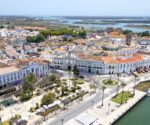
The town’s alcohol sales ban kicks in in the summer (Image: www.victoriawlaka.com via Getty Images)
A sun-drenched European city adored by Brits is implementing a stringent alcohol ban.
Split has become the first city in Croatia to outlaw the sale of alcohol in shops and off-licences after 8pm, in a direct response to what the mayor characterises as “unacceptable” scenes of drunken tourists in the historic heart of the city.
The new measure, put forward by Mayor Tomislav Šuta, will limit late-night alcohol sales in troublesome areas of the city from 8pm to 6am starting this summer. The city centre, with its dense concentration of clubs, bars, and round-the-clock shops, has been identified as a particular hotspot.
“It is precisely here that situations arise that impair the safety and quality of life of residents,” Šuta clarified, adding that the potential extension of the rules to other parts of Split hasn’t been dismissed. The restrictions will apply to supermarkets and off-licences, but not to clubs and restaurants, meaning visitors can still savour drinks in licensed establishments after 8pm.
Darijo Šarić, CEO of luxury villa rental agency VIP Holiday Booker, applauded the ban, viewing the move as part of a wider rebranding of Croatian tourism.

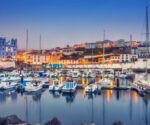
The restrictions are designed to control problem drinking (Image: Getty Images/iStockphoto)
“In previous years, Split may have embraced a ‘party destination’ image, sometimes promoting partying among visitors. However, Croatian tourism is now actively rebranding to distance itself from that reputation, focusing instead on our rich cultural heritage, natural beauty, and family-friendly environment,” Šarić said.
“These measures are designed to encourage responsible drinking rather than to stop the fun.
“Ultimately, it’s all about balance. Everyone wants visitors to Split to have an unforgettable experience, but we also don’t want residents to feel like the city is a 24-hour party zone. By drinking responsibly and respecting local customs, you help us keep Croatia a cherished, safe, and welcoming destination for everyone.”
This isn’t the only recent initiative to mitigate the impacts of overtourism and antisocial behaviour in Croatia.
Last year, Hvar – one of the nation’s most renowned “party islands” – opted to uphold stringent summer noise restrictions, capping noise at 85 decibels (akin to a bustling restaurant), despite opposition from local businesses.
Split isn’t the sole location in Croatia where locals are becoming weary of tourists. Last year, the Mirror visited Dubrovnik, where efforts are currently being made to preserve the 1,400-year-old Old Town from deteriorating into an even more unbearable, sweltering chaos than it was in the summer of 2017, when CNN listed it as one of 12 global destinations to avoid.
The number of cruise ships has been reduced, and their arrival times have been staggered. Now, passengers must stay for eight hours, meaning the 600,000 who arrived last year spend more despite being 400,000 fewer than seven years ago.
Street vendors operating in the Old Town have plummeted by 70%, whilst coach arrivals have dropped by half. A camera system now monitors visitor numbers entering and exiting the Old Town.
The “maximum comfortable limit” (according to a University of Dubrovnik study) of 11,297 daily visitors exceeds last year’s peak day by 800.