Households to see energy bills fall by almost 7% as Ofgem lowers price cap | Personal Finance | Finance
Households are expected to see energy bills fall by about 6.6% from April, as the regulator prepares to lower the price cap in line with the Government’s promised £150 reduction. Households on default energy tariffs will see bills fall by 7 % from April after the regulator confirmed a fresh cut to the price cap. Ofgem said the annual bill for a typical dual-fuel household paying by Direct Debit will drop by £117 to £1,641 between April 1 and June 30 2026 — equivalent to a saving of around £10 a month.
The new level is £208, or 11 per cent, lower than the same period last year. Under the revised cap, customers on standard variable tariffs paying by Direct Debit will pay an average of 24.67p per kilowatt hour (kWh) for electricity, with a daily standing charge of 57.21p. Gas will cost an average of 5.74p per kWh, with a daily standing charge of 29.09p. All figures include VAT at five % and are averaged across England, Scotland and Wales.
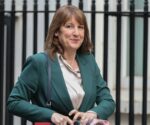
In November, Chancellor Rachel Reeves said the average household bill would fall by £150 from April after ministers scrapped the Energy Company Obligation scheme introduced under the Conservatives. However, customers have been warned that the reduction will not appear as a flat £150 discount.
The savings will vary depending on a household’s size, tariff and energy use. The bulk of the reduction is expected to come through a lower unit rate for electricity, with suppliers set to outline the changes to customers once the cap is confirmed.
Ofgem reviews the maximum unit rates and standing charges suppliers can levy on default tariffs every three months.
The regulator said part of the reduction reflects the Government’s decision to end or shift the funding of two environmental and social schemes into general taxation from April 2026, delivering an average £150 saving for customers.
Changes to the Warm Home Discount mean its costs will move from standing charges into the unit rate from April. Wholesale energy prices have also fallen over the past three months, cutting around £38 a year from bills.
However, network costs are rising by £66 annually under the RIIO-3 price control framework, which is designed to fund investment in upgrading Britain’s electricity and gas grids to improve long-term stability.
The price cap covers customers on default tariffs who pay by Direct Debit, standard credit, prepayment meter or Economy 7. The exact bill paid will depend on energy use, location and meter type.
Ofgem is also launching a one-year lower standing charge tariff pilot from April, aimed particularly at households with lower energy usage. Customers with EDF, E.ON, Octopus and British Gas will be offered the new tariff if they meet the eligibility criteria.
The next price cap level, covering July 1 to September 30 2026, will be published by May 27, although Ofgem said it could announce the figure earlier if necessary.
Ofgem said the change to the energy price cap amounted to a reduction of around £10 a month for the average household using both electricity and gas.
For an average household paying for gas and electricity by direct debit, the overall bill will be £1,641 per year.
Today’s level means the cap is more than £200 lower than a year ago, reflecting the Government’s decision to take £150 in policy costs off energy bills, the regulator said.
Tim Jarvis, director general of markets at Ofgem, said: “Today’s announcement will be welcome news for many households.
“Wholesale energy prices have fallen in recent months, and we’re investing in our network to safeguard the future energy system.
“The main driver of today’s reduction is the change to policy costs announced by the Chancellor in the budget.
“Our focus at Ofgem remains on bearing down on the costs within our control and unlocking the investment needed to support the transition to a more stable energy system over the longer term.
“We’re also seeing encouraging signs of greater engagement and competition, with switching increasing by almost 20% year on year. More households are choosing time-of-use tariffs that offer cheaper off-peak rates, and suppliers are offering a wider range of products, including deals with savings at evenings or weekends.
“The price cap protects households from overpaying for energy, but it’s a safety net.
“Last year, consumers on fixed deals paid around £115 less than the cap on average, so we’d encourage people to speak to their supplier about the options available and consider whether a different tariff or payment method could help bring their bills down further.”