Meningitis scam alert as Brits receive fake NHS texts amid outbreak

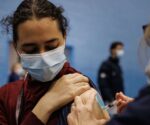
Scammers are using the meningitis outbreak to target Brits (stock photo) (Image: Getty)
Scammers are using the fear and uncertainty around the meningitis outbreak to target Brits and steal their cash.
An outbreak of meningitis started in Kent earlier this month, sparking a national emergency as two people died from the infection following an outbreak linked to the Club Chemistry nightclub in Canterbury. As of 22nd March, there are a total of 20 confirmed cases and nine suspected cases of meningococcal disease, with the UK Health Security Agency (UKHSA) confirming there had been no new cases of the infection in the past 24 hours.
In response to the outbreak, the UKHSA, along with NHS England, coordinated a vaccination programme against the specific strain of meningitis, known as MenB, that caused the outbreak, and offered it to certain groups of people, including those who have been in close contact with the 29 confirmed or suspected cases, students at the University of Kent who reside at the Canterbury campus, and anyone who was working at the Club Chemistry nightclub between 5th March and 15th March.
But in the wake of the outbreak, scammers are now reportedly trying to latch on to the fear many people feel for their health in an attempt to steal their money by pretending to be the NHS.
According to a woman named Caroline on TikTok, who regularly shared scam alerts and advice on her account, some people have reported receiving fake text messages from people claiming to be the NHS, asking them to book in for a MenB vaccine.
READ MORE: Key age group ‘at risk’ as figures show on million missed meningitis jab
These messages look “incredibly convincing”, and with people panicking about their health – especially with the Covid-19 outbreak and lockdown so fresh in people’s minds – it’s likely to get more than a few people to fall for it.
But there’s one easy way to make sure the message is genuine. The NHS will never ask you to pay for a vaccine, so if you’re told in a text or an email to part with your money in exchange for a MenB vaccine, this is not a genuine message.
Caroline said: “Scammers are using the recent meningitis outbreak to scam people, and it’s incredibly convincing, so you need to be on your guard. Whenever there’s a health scare in the UK, whether it be Covid, monkeypox or meningitis, scams always spike. During previous health campaigns, thousands of fake NHS messages were reported, and people lost hundreds of pounds.
“So here is what’s happening now; make sure you don’t fall for it. You might get a text message saying it’s from the NHS, saying you have been exposed to meningitis, and you need to book to get your vaccine to make sure you’re safe. Or a WhatsApp message saying meningitis is prevalent in your area and asking you to click a link. Or an email saying you’ve been exposed to it and you need to click the link to schedule an appointment.
“The scary thing is, these messages can look identical to what the NHS would send. But some important things to note are that the NHS will never ask you to click a link and pay to get a vaccine. Or to share personal details or bank information via a link.”
While the NHS can ask you to click links to book appointments, they will never ask for money or personal details beyond your date of birth. And to be on the safe side, you can go directly to the NHS website or on the NHS app, where you should be able to see any genuine requests for you to make a booking.
Who is currently eligible for the MenB vaccine?
The UKHSA, NHS England, and the UK government are coordinating a targeted vaccination programme against MenB. The programme may be expanded further as the UKHSA continues to assess the ongoing risk of the outbreak, but it is currently only available to certain groups of people, including:
- Close contacts of those who are confirmed or suspected to have meningococcal disease.
- Students at the University of Kent who normally reside on the Canterbury Campus. This includes those who have travelled home, and also some staff living or working in these halls of residence.
- Students who attend other universities in Canterbury, living in halls of residence or off-campus locations, where there have been cases.
- Sixth form students (Year 12 and 13) attending secondary school or sixth form college in Kent where there has been a confirmed or probable case of meningococcal disease.
- Anyone who visited or was working at Club Chemistry in Canterbury between 5 March and 15 March.
- Year 11s in schools where the vaccination offer has already been made.
The UKHSA states that the risk of infection to the wider public remains low. Transmission of MenB requires close and prolonged contact to spread, such as living in the same household, intimate contact, or sharing drinks or vapes. The bacteria are not as contagious as other infections such as measles or Covid-19.
For more information on the vaccine, visit the UKHSA website.